
Product range:
Bitumen and industrial commodities
Every grade below is manufactured to Indian Standards, batch-tested at accredited labs, and available in both bulk and packed formats.

Bitumen VG-10
Softest viscosity grade. Built for the cold.
VG-10 is the softest grade of viscosity bitumen — the modern replacement for 80/100 penetration grade. Optimal for road paving in cold climates (-10°C to 25°C) and for spraying and surface dressing applications.
- Suitable for temperatures below 30°C
- Higher penetration value than VG-30 and VG-40
- Excellent resistance to temperature changes in cold regions
- Exemplary performance against freeze-thaw cycles
- Road construction in cold regions
- Spraying and surface dressing
- Bitumen emulsions and modified bitumen products

Bitumen VG-30
The workhorse of Indian road construction.
VG-30 is the most widely used bitumen grade in India — engineered for extra-heavy pavements that carry significant traffic loads. Higher viscosity makes it resistant to water-induced damage and suitable for hot & rainy conditions.
- Suitable for temperatures above 30°C
- Good thermal susceptibility
- Outperforms penetration grade 60/70
- Widely proven across Indian highway projects
- Road construction, insulation, building construction
- Hot and rainy weather conditions
- Cutback bitumen, waterproofing, plastic roads
- Traffic level less than 20 MSA
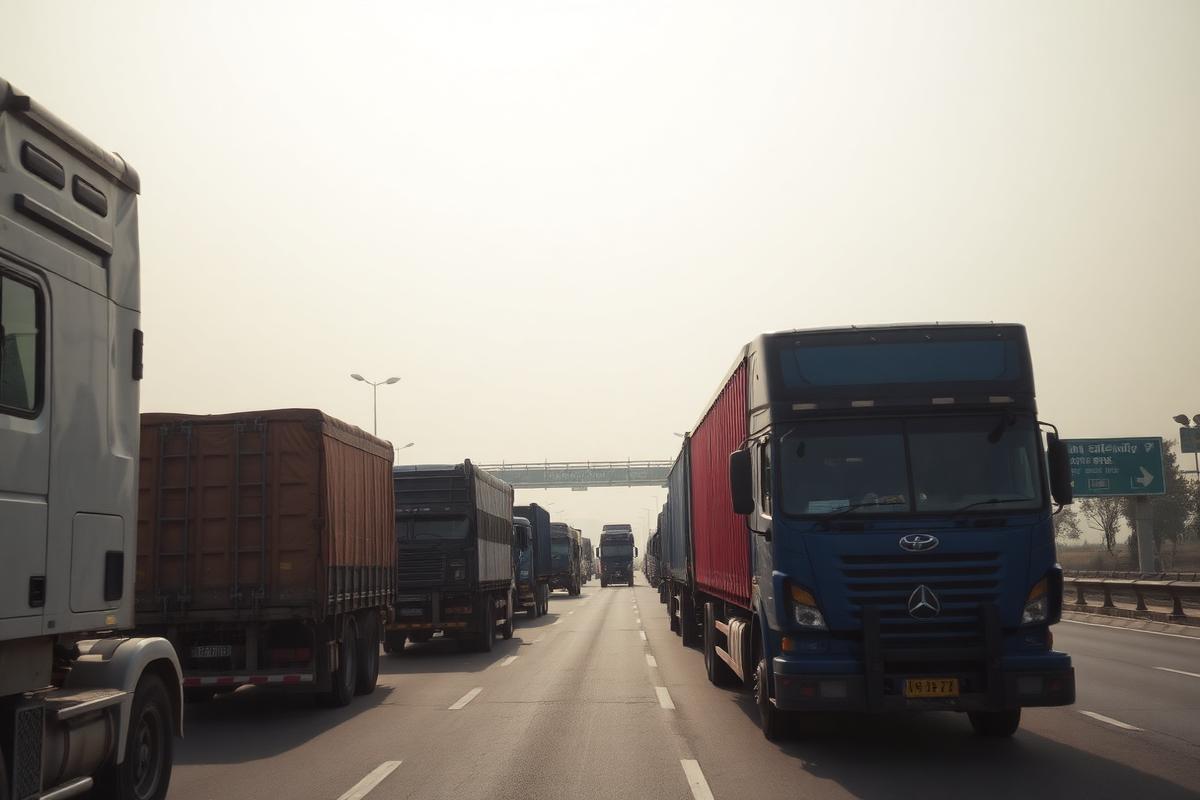
Bitumen VG-40
High viscosity. Heavy traffic. Zero compromise.
VG-40 is designed for the toughest infrastructure — intersections, toll plazas, truck parking, and NHAI stretches with extreme traffic loads. Its high viscosity resists shoving, rutting and deformation at high temperatures.
- Suitable for temperatures above 40°C
- Preferred where heavy traffic loads are expected
- Improves pavement resistance in hot conditions
- Reliable alternative to 40/50 penetration grade
- Areas with high traffic loads (toll booths, intersections)
- Road construction in hot weather
- Stiffer bitumen mixes
- Traffic level greater than 20 MSA

Polymer Modified Bitumen (PMB)
Bitumen + SBS polymer. Engineered elasticity.
PMB combines bitumen with styrene-butadiene-styrene (SBS) copolymers for enhanced elasticity, cohesion and fatigue resistance. Ideal for heavy-duty highways, expressways and extreme weather zones.
- Stronger, more stable and rigid pavements
- Superior resistance to water and stagnation
- Higher resistance to permanent deformation
- Reduced rutting and ravelling — much higher durability
- Heavy-duty highways and expressways
- Extreme weather and high thermal-stress zones
- Residential roofing waterproofing
- Grades: PMB 40, PMB 70, PMB 120 (IS 15462:2004)
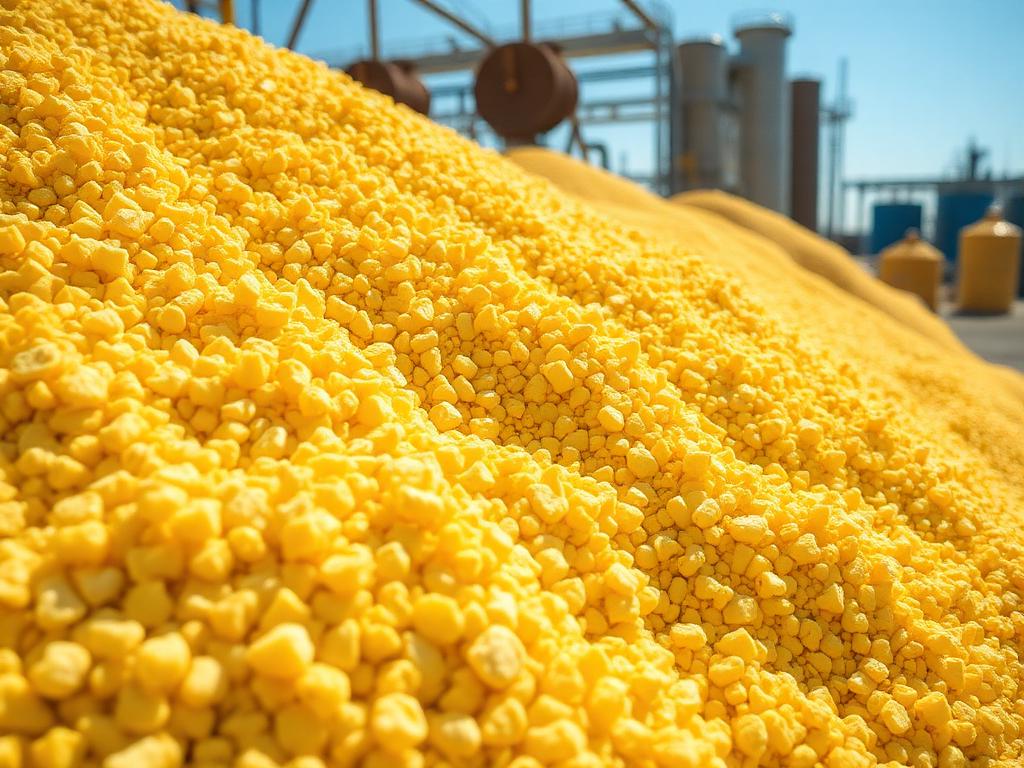
Sulphur
The backbone of chemical manufacturing and agriculture.
Sulphur is a high-purity element recovered directly from refinery gas streams. It acts as a critical raw material for manufacturing essential industrial acids and agricultural nutrients that sustain core manufacturing sectors.
- Purity levels exceeding 99.5% minimum
- Extremely low ash and carbon content
- Protects downstream catalysts from poisoning
- Flexible solid forms for efficient transport
- Sulphuric acid and fertilizer manufacturing
- Rubber vulcanisation and tyre production
- Sugar refining and chemical processing
- Pharmaceuticals and crop protection products
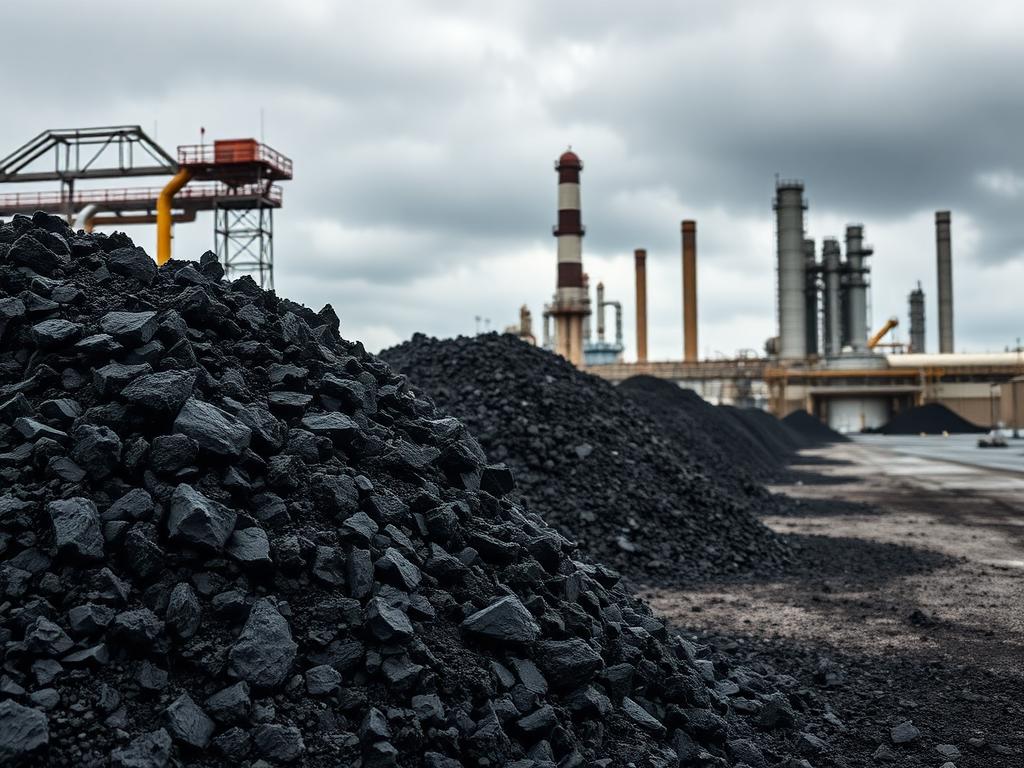
Petroleum Coke (Petcoke)
The high-energy powerhouse for heavy industry.
Petcoke is a premium carbon-solid residue engineered by refinery Delayed Coker Units (DCU). Delivering more than double the heating value of traditional coal, it serves as an ultra-efficient fuel for intense thermal processes.
- High Gross Calorific Value (>7800 kcal/kg)
- Very high fixed carbon concentration
- Negligible moisture content at refinery exit
- Cost-effective alternative to steam coal
- Fuel for cement manufacturing kilns
- Power generation and utility boilers
- Blast furnaces and metallurgical industries
- Gasification feedstock for chemical synthesis

Low Sulphur Fuel Oil (LSFO)
High-performance fuel for eco-compliant thermal energy.
LSFO is a low-emission, high-viscosity residual fuel oil blended to meet modern environmental standards. It provides heavy industries and maritime vessels with maximum thermal output while keeping emissions well within legal frameworks.
- Sulphur content restricted under 1.0%
- High calorific profile for optimal burning
- Excellent atomization properties in modern burners
- Reduces boiler maintenance and soot buildup
- Marine bunker fuel for regulated waters
- Industrial boilers and heating units
- Metallurgical furnaces and kilns
- Power generation near urban zones